Warts

Introduction
Introduction
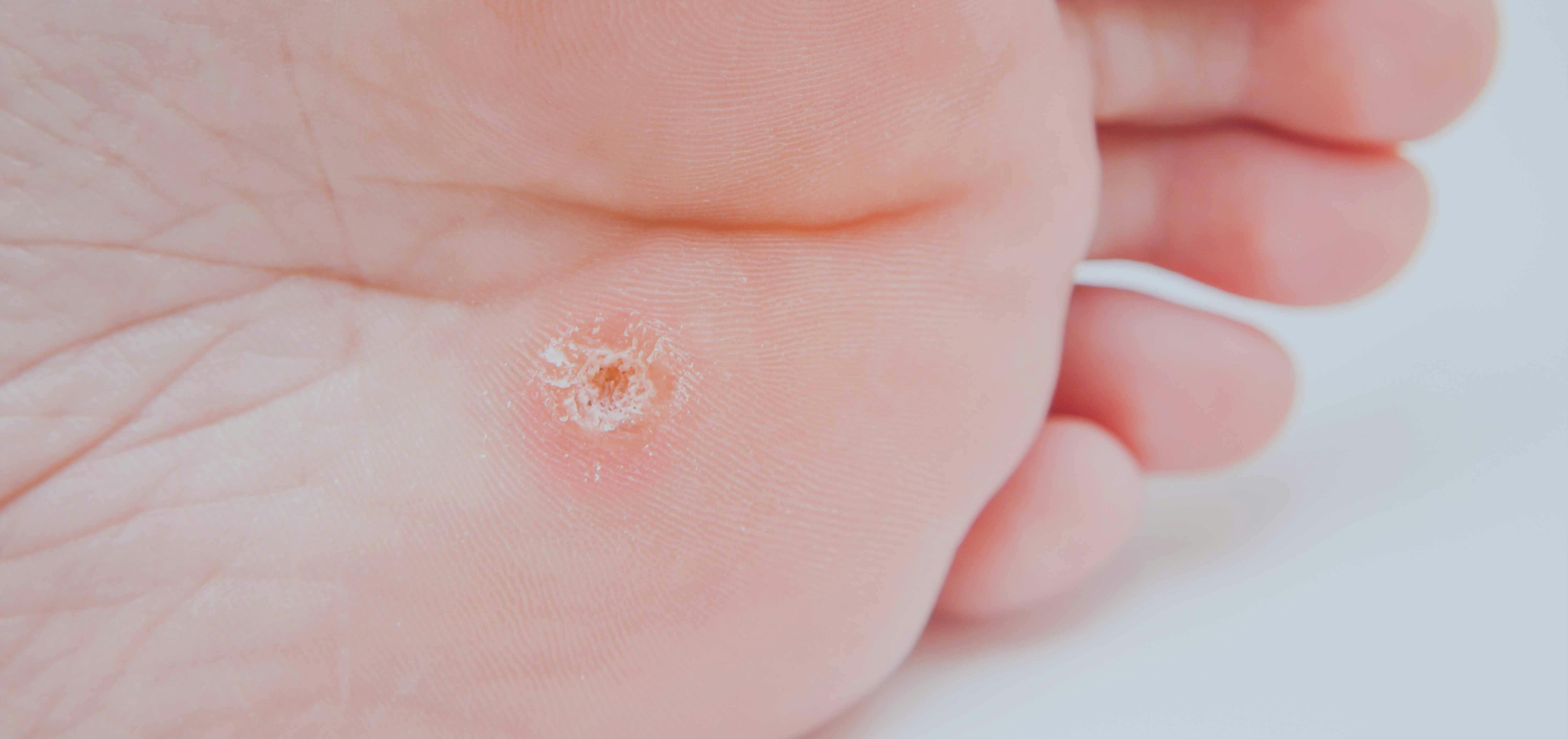
Cutaneous warts are small growths on the skin caused by a papillomavirus. Most warts cause no pain unless they are located on a pressure area like the soles of the feet. Warts can appear anywhere on the body but most often affect the hands and feet.
Transmission occurs through direct contact or contact with contaminated surfaces. A person with a primary wart can also self-contaminate and, from one lesion, several others can appear.
Most often, the diagnosis is made by a simple skin examination by a doctor. A typical sign of warts is the absence of skin creases on their surface and the presence of small black dots. If in doubt, a microscope examination can confirm the diagnosis. On the feet, a wart can be mistaken for a corn.

Causes
Causes
The wart is caused by the papillomavirus, but the modes of contamination are poorly known. Damp floors, such as swimming pools and sports halls, increase the risk of transmission.

Treatments
Treatments
Warts most often disappear spontaneously, although this can take time. Unless it is unsightly or painful, warts do not necessarily need to be treated.
If treatment is necessary, there are two options. The first is to use a product that will "eat away" the wart, the most commonly used substance being salicylic acid. This method has few side effects, but it may take several weeks of daily use to produce a result. The second option is to use cold, with the help of liquid nitrogen; this method is more painful and can sometimes leave a scar.
Learn More
Learn More
Read the article Warts in 10 questions on the Planète Santé website.