Neck pain (cervicalgia)

Introduction
Introduction
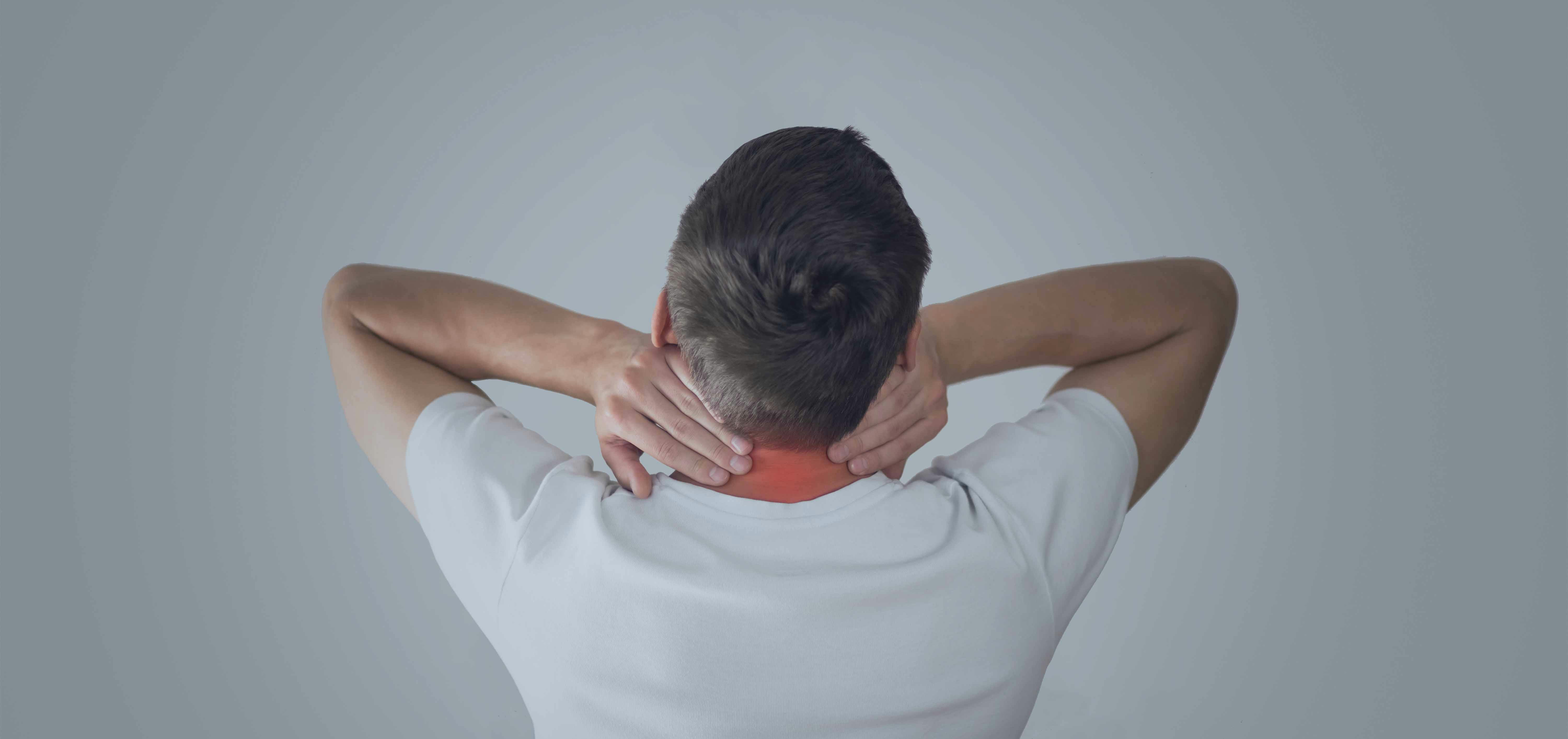
Neck pain is common and usually does not require a medical consultation, as it generally resolves within a few days. The medical term for neck pain is 'cervicalgia.' Neck pain often accompanies stiffness and difficulty in moving the head.
Unless the pain lasts for several weeks or is accompanied by severe symptoms, radiological examinations are unnecessary.

Causes
Causes
In the majority of cases, neck pain is due to mechanical problems of the spine, such as muscle strain. It can occur due to poor head positioning during sleep, prolonged computer work, or following a fall. Serious causes are fortunately rarer; for example, cervicalgia can be caused by a herniated disc or, in people suffering from osteoporosis, by a vertebral fracture. Chronic cervicalgia has other origins, such as osteoarthritis.
Treatment
Treatment
The treatment will depend on the intensity and origin of the pain. In most cases, symptoms disappear within a few days.
Medications can help alleviate pain: the drugs used include Paracetamol (Panadol, Dafalgan, etc.), sometimes in combination with anti-inflammatory drugs, such as ibuprofen (Irfen, Algifor, etc.). When the pain is severe, a combination of Paracetamol and codeine may be used.
Alongside medication intake, it is very important to keep moving, according to pain tolerance: recovery will be quicker for someone who stays active compared to someone who remains seated or lying down all day.
If the pain does not subside after 5 to 7 days, physiotherapy may be recommended.

Warning
Warning
Certain situations necessitate seeing a doctor: presence of headaches, unexplained weight loss, existence of cancer, or persistent night pain. In the following scenarios, an urgent consultation is required: a fall, the presence of fever, vision problems, tingling in an arm, loss of sensation or strength in a hand or arm, or balance problems.

How to prevent cervicalgia?
How to prevent cervicalgia?
The first thing to do is to try to identify the source of neck pain, especially when it is caused by muscle tension. Prolonged use of a computer, tablet or smartphone can cause pain that can be prevented by avoiding maintaining uncomfortable positions for too long. Relaxation moments and exercises can also be useful, especially for pain related to stress and anxiety. A good mattress and a good pillow will also help to limit the risk of recurrence.

For more information
For more information
You can get more information by reading the page My neck hurts, I have neck pain on the Planète Santé website or by watching the video Neck Pain – Cervicalgia (1 minute) from the CHUV Medical Atlas.