Treat Headaches

Introduction
Introduction
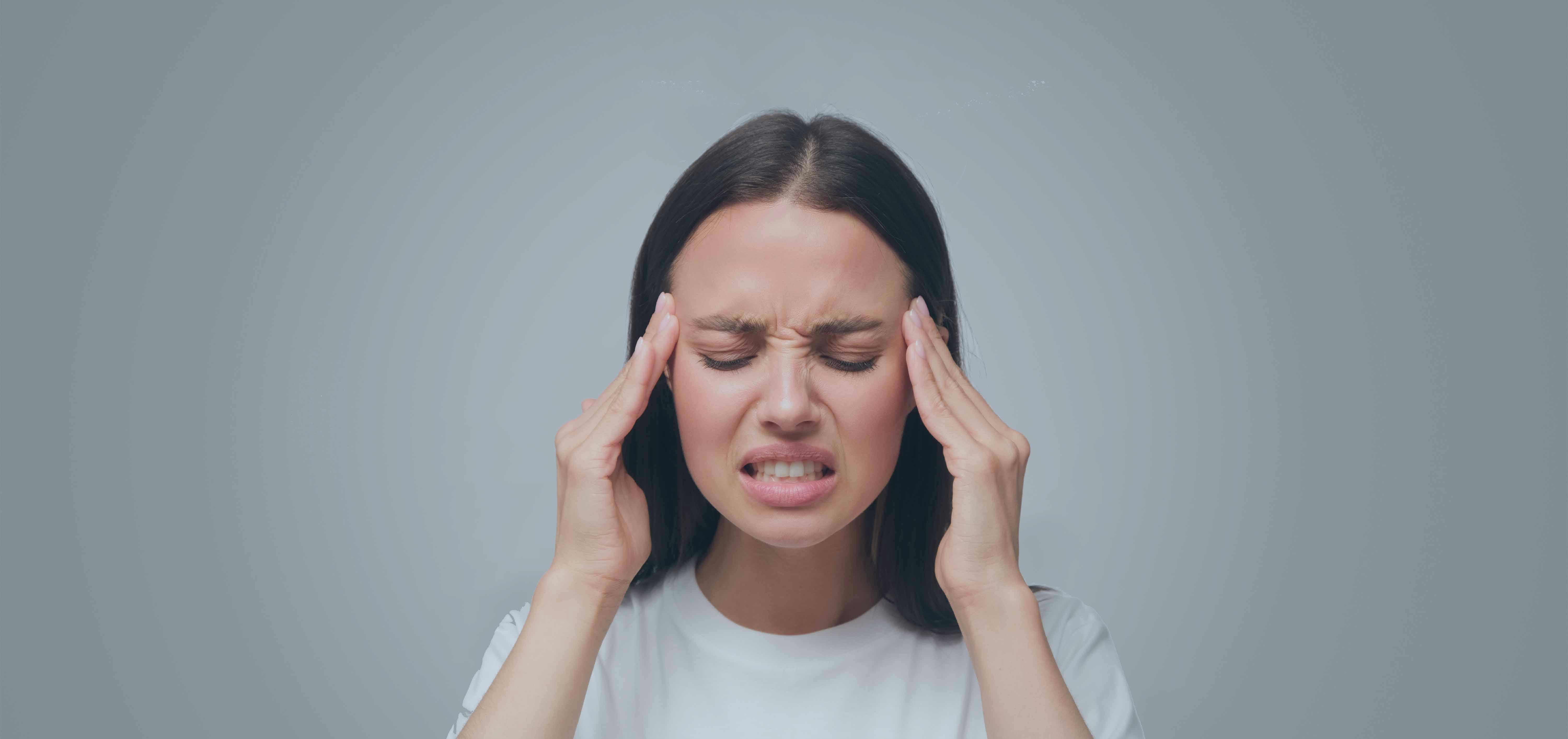
There are many types of headaches, with the most common forms being "tension headaches" and migraines.
Tension headaches are benign but can significantly impact the quality of life of those who suffer from them. This form of headache usually affects both sides of the skull and feels like the pressure of wearing a helmet, most often in the neck and temples area. These headaches can appear as episodes that can last from 30 minutes to several days, and sometimes they can become chronic. People who suffer from this type of headache often have muscle tensions in the area of the skull or neck.
Another common cause of headaches is migraines. The pain can last from a few hours to three days. The pain is usually present on one side of the head, feels like "pulsing", and worsens with exertion and exposure to light. Migraines can be accompanied by nausea.

Causes
Causes
The causes of headaches are numerous:
- Stress
- Fatigue
- Alcohol
- Lack of sleep
- Muscle tensions in the area of the skull and neck
- Vision problems
- In women, hormone variations during the menstrual cycle.
There are also more serious, fortunately rare, causes that require your doctor's assessment.
For everyone who suffers from headaches, it is important to try to understand the situations that cause headaches in order to correct them if possible.

Treatment
Treatment
There are two main types of headache treatments. The first, if it is possible to determine the cause of the pain, is to address that factor. For instance, a person suffering from stress-induced migraines should try relaxation and calming exercises.
The second way to alleviate headaches is, of course, through painkillers. The most commonly used are paracetamol (Dafalgan, Panadol, etc.) and 'anti-inflammatory' drugs like ibuprofen.
It also happens that a doctor might prescribe, for migraines, an anti-nausea drug (Domperidone, Motilium). Attention, pregnant women should not take anti-inflammatory drugs.
How to avoid headaches?
It's not always easy... As mentioned above, it's important to try to understand the mechanisms that trigger headaches in each individual. A person can have multiple causes, identifying them allows for correction: adequate hydration (1.5 to 2 litres of water or unsweetened drinks daily), proper nutrition, reducing or stopping alcohol consumption, relaxation, sufficient sleep, etc.
For people who suffer from frequent headaches, it is important to be cautious about taking medicines too often, as frequent use of painkillers can paradoxically cause headaches.

Attention
Attention
In some situations, you may be advised to see a doctor: headaches that are different from your usual ones, headaches that do not respond to medication, after a head injury, headaches with a fever or associated with high blood pressure, etc.

For more information
For more information
You can find information on tension headaches and migraines on the World Health Organization's website.
For information on migraines only, you can visit the Planète santé website or watch an informative video on the CHUV's Medical Atlas.