Acne

Introduction
Introduction
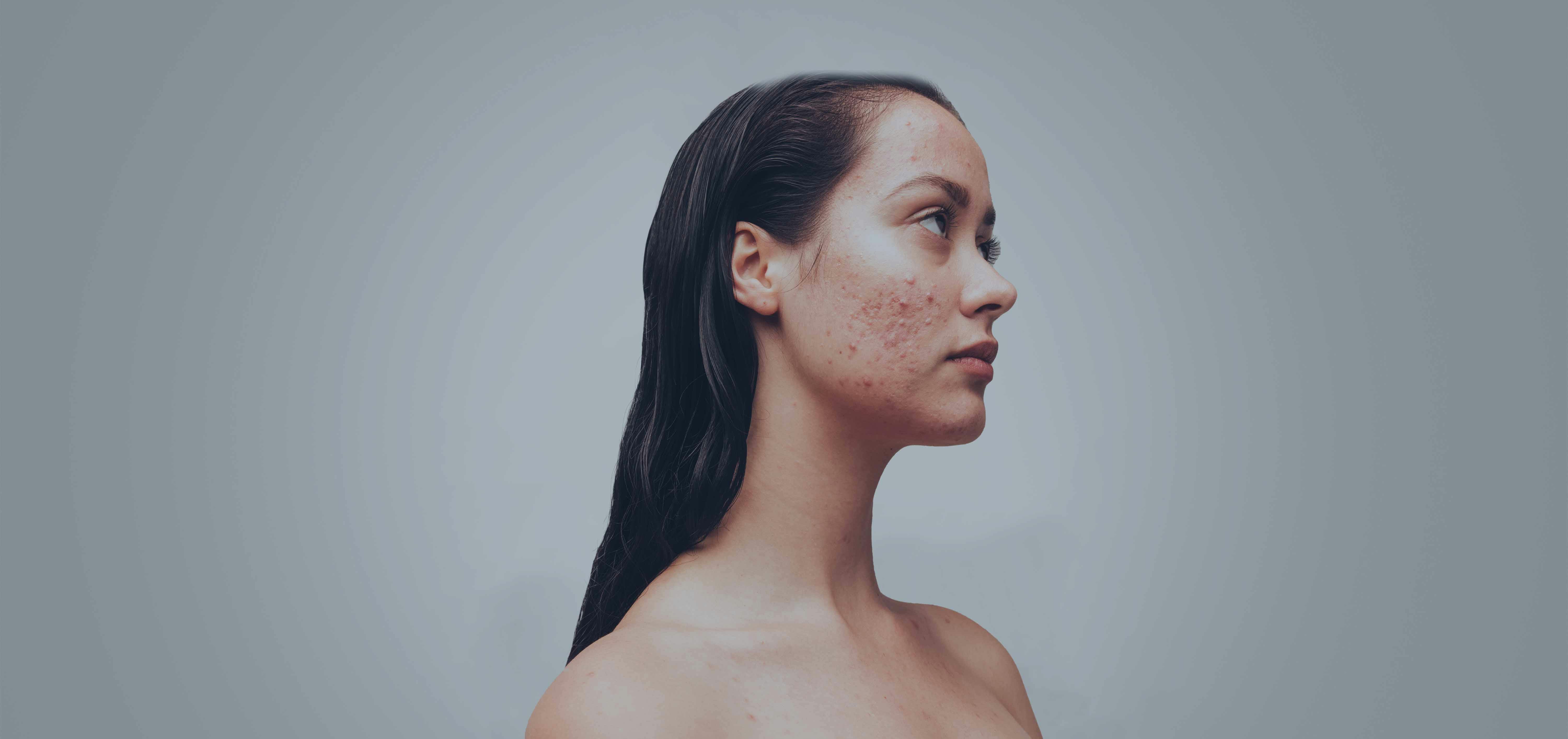
Acne is a skin condition that mainly affects teenagers and young adults. Pimples, such as blackheads, whiteheads, boils, cysts, and sometimes abscesses, form on the skin, usually on the face, chest, shoulders, or back. Acne affects 90% of teenagers, but to varying degrees of severity.
Acne is the skin condition with the most significant psychological impact because it alters individuals' body image at crucial moments in their lives (adolescence, young adulthood) and because it affects the face. In teenagers, it lasts on average 3 to 4 years and most often disappears spontaneously between the ages of 18 and 20.

Causes
Causes
Acne is an inflammatory disease of the hair follicle. At the base of each hair is a sebaceous gland that secretes sebum. In acne, the sebaceous gland is clogged by sebum that has become too thick or is secreted in too great a quantity, which obstructs the hair follicle in the skin.

Treatments
Treatments
The treatment is twofold. First element, good skin cleansing. Second element, the use of a medicinal treatment which is most often a product to be applied to the skin. If these topical treatments are insufficient, antibiotics or isotretinoin tablets will be prescribed (in this case, medical monitoring is necessary).
The type of treatment depends on the severity of the acne and the discomfort of the person. Early treatment minimises acne scarring.

Attention
Attention
Improperly treated acne can leave permanent scars with sometimes significant cosmetic repercussions.

Learn more
Learn more
You can find more information by reading the article Acne on the Planète Santé website.